
CDNI · Inland navigation waste collection
Black oil pumping
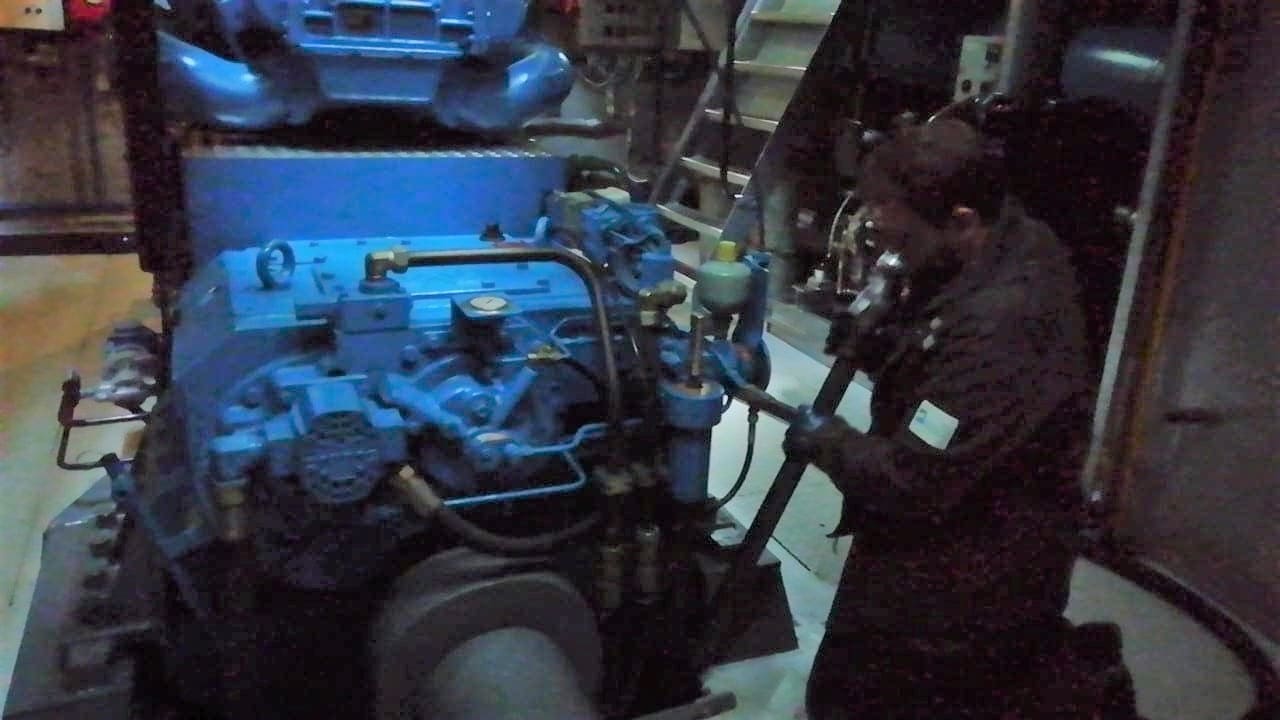
CDNI: the contracting states provide boatmasters with solutions for the collection, deposit and reception of the waste covered by the CDNI Convention.
Recovery of oily and greasy waste by oil-separator vessel.
The Convention on the collection, deposit and reception of waste generated during navigation on the Rhine and inland waterways (CDNI) aims to protect the environment and water in particular. It sets rules meant to prevent waste production, to direct waste towards a network of dedicated reception stations along the waterways, to ensure international funding of these initiatives and to enforce the prohibition on discharging the waste concerned into surface water. These rules apply the polluter-pays principle.
The implementing regulation of the Convention divides responsibilities according to the origin of the waste. For waste directly linked to the operation of the vessel, such as oily and greasy waste, household waste and special waste, the rules apply to the boatmaster and the operator. For waste generated by the carriage of goods, the obligations are shared between the boatmaster, the charterer and the consignee of the cargo.
Part A concerns oily and greasy waste generated by the operation of the vessel. A network of reception stations has been set up, where waste can be deposited against advance payment of a disposal fee based on the volume of gasoil bunkered. Part B concerns the collection, deposit and reception of cargo-related waste. It sets out the rights and obligations of all the parties involved. An unloading standard defined in the Convention must be respected, and an unloading certificate signed by the parties concerned makes it possible to organise and track the collection and deposit of this type of waste. Part C mainly concerns other waste generated by the operation of the vessel, for example household waste, and in particular domestic wastewater from passenger vessels carrying more than 50 passengers. For cargo vessels, the Convention mainly ensures the proper functioning of waste collection in ports and at the structures of land networks.
The CDNI came into force on 1 November 2009. It has been ratified by six states (Germany, Belgium, France, Luxembourg, the Netherlands and Switzerland) and applies to the entire length of the Rhine as well as to all inland waterways in Germany, the Netherlands and Belgium, to the international Moselle in Luxembourg and France and to certain French canals. When the CDNI was signed in 1996, the contracting states agreed on a disposal fee of €7.50 per 1,000 litres of duty-free gasoil bunkered. This amount has not been updated.
Particular attention must be paid to certain geographical areas (e.g. Annecy) to avoid double payment by carriers, some of whom already contribute financially to the collection of waste from their vessels. The possibility that a waste collection tax is already paid by carriers through the tolls of Voies navigables de France is also being examined.
The DGITM is considering extending the CDNI to all French waterways.